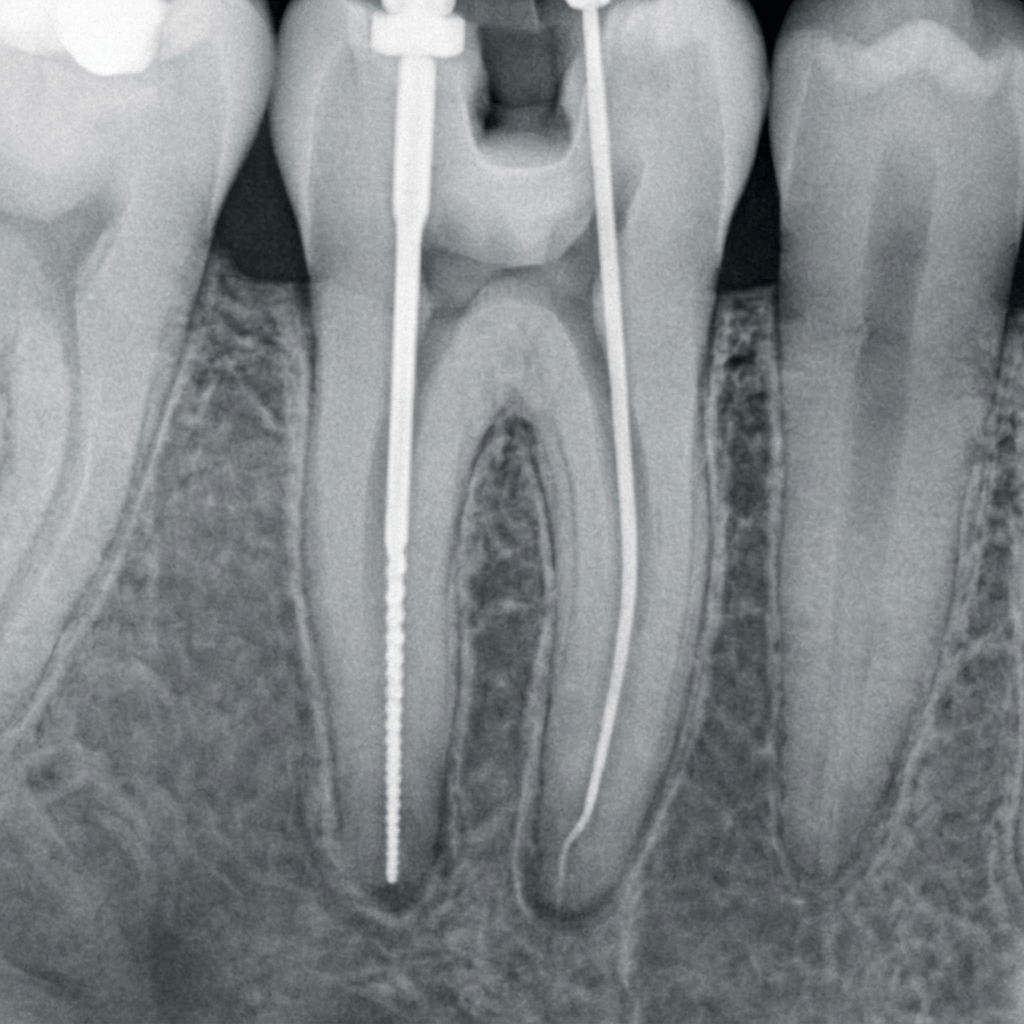
The size of the apical preparation is an important component of root canal treatment for a multitude of reasons. It impacts the effectiveness of both instrumentation and irrigation within the canal. The goal of instrumentation is not simply to create a larger apical preparation, but adequate enlargement is needed to allow instruments and irrigating solutionsContinue reading “How Large Should We Prepare? Does Apical Preparation Size Affect Endodontic Treatment Outcomes?”
Tag Archives: endodontics
Working Length: Electronic Apex Locators or Radiographs?
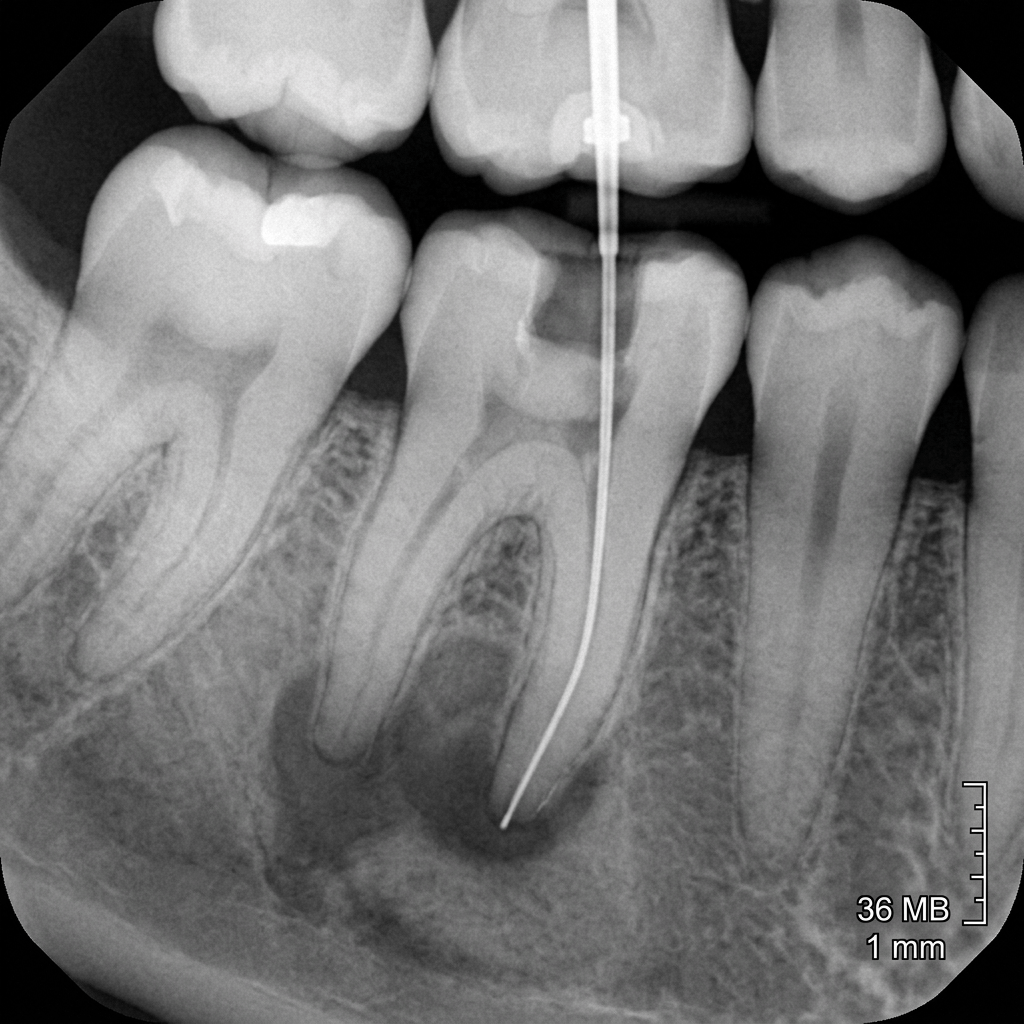
Working length is one of the most important measurements in root canal treatment because it determines how far instrumentation and obturation extend within the root canal system. Accurate working-length determination allows the clinician to adequately clean and disinfect the canal while minimizing unnecessary instrumentation into the periapical tissues. If the working length is too short,Continue reading “Working Length: Electronic Apex Locators or Radiographs?”
One Visit or Two? Evaluating Outcomes in Endodontic Treatment

Root canal treatment can be completed in a single appointment or across multiple visits, often with an intracanal medicament such as calcium hydroxide placed between appointments. Multiple-visit treatment has traditionally been favored in cases of pulpal necrosis and apical periodontitis based on the rationale that additional disinfection time may improve microbial control and healing. However,Continue reading “One Visit or Two? Evaluating Outcomes in Endodontic Treatment”
Sealer Extrusion: Does It Affect Endodontic Outcomes?
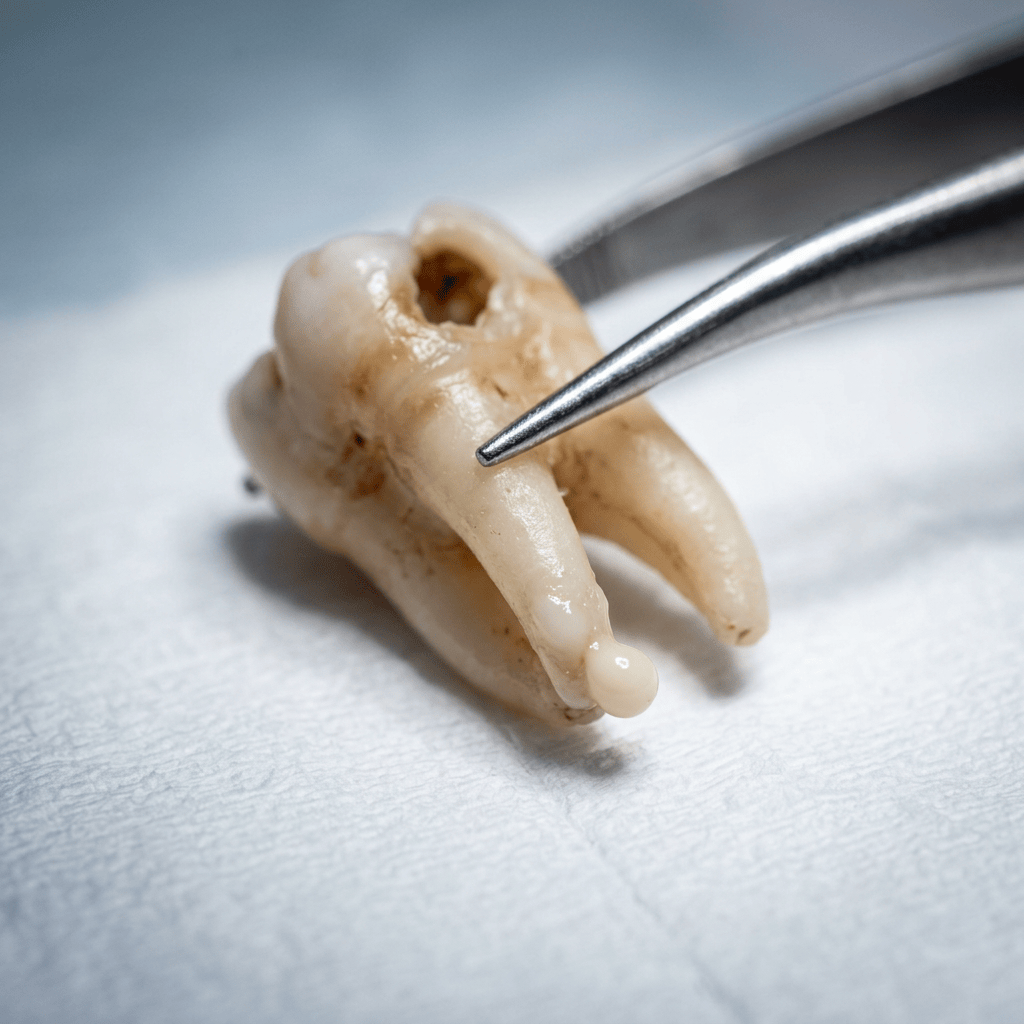
During root canal treatment, a small amount of root canal sealer was unintentionally extruded into the periapical tissues during obturation. This case raises important clinical questions: Does apical extrusion of root canal sealer alter the outcome of endodontic treatment? Does extruded material contribute to postoperative pain, persistent inflammation, or impaired periapical healing? Can favorable healingContinue reading “Sealer Extrusion: Does It Affect Endodontic Outcomes?”
Irrigation: Does NaOCl Concentration Really Matter?
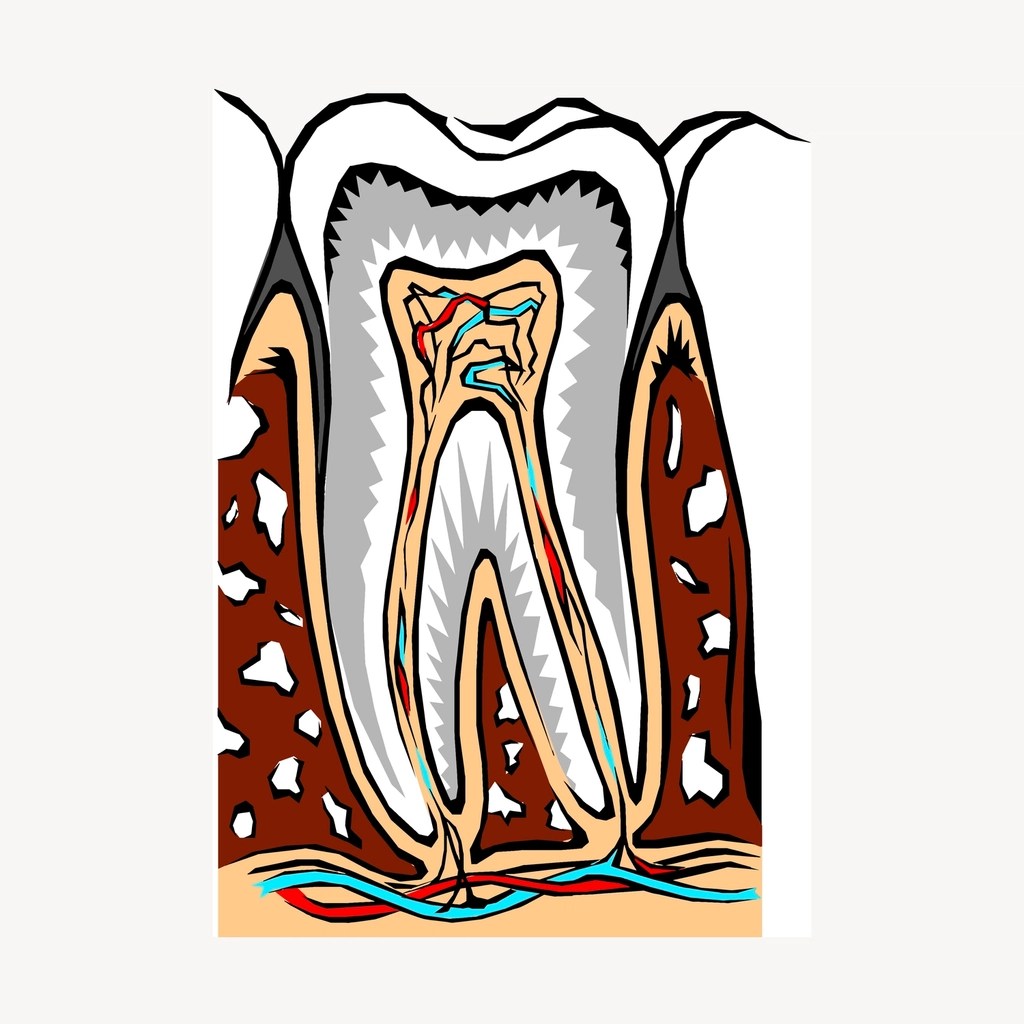
Sodium hypochlorite remains the standard irrigant in endodontics because it provides both broad-spectrum antimicrobial activity and organic tissue dissolution. Successful root canal treatment depends on eliminating microorganisms and removing pulpal remnants, both of which are enhanced by the use of sodium hypochlorite. Sodium hypochlorite has been used as an endodontic irrigant for decades. A 1992Continue reading “Irrigation: Does NaOCl Concentration Really Matter?”

