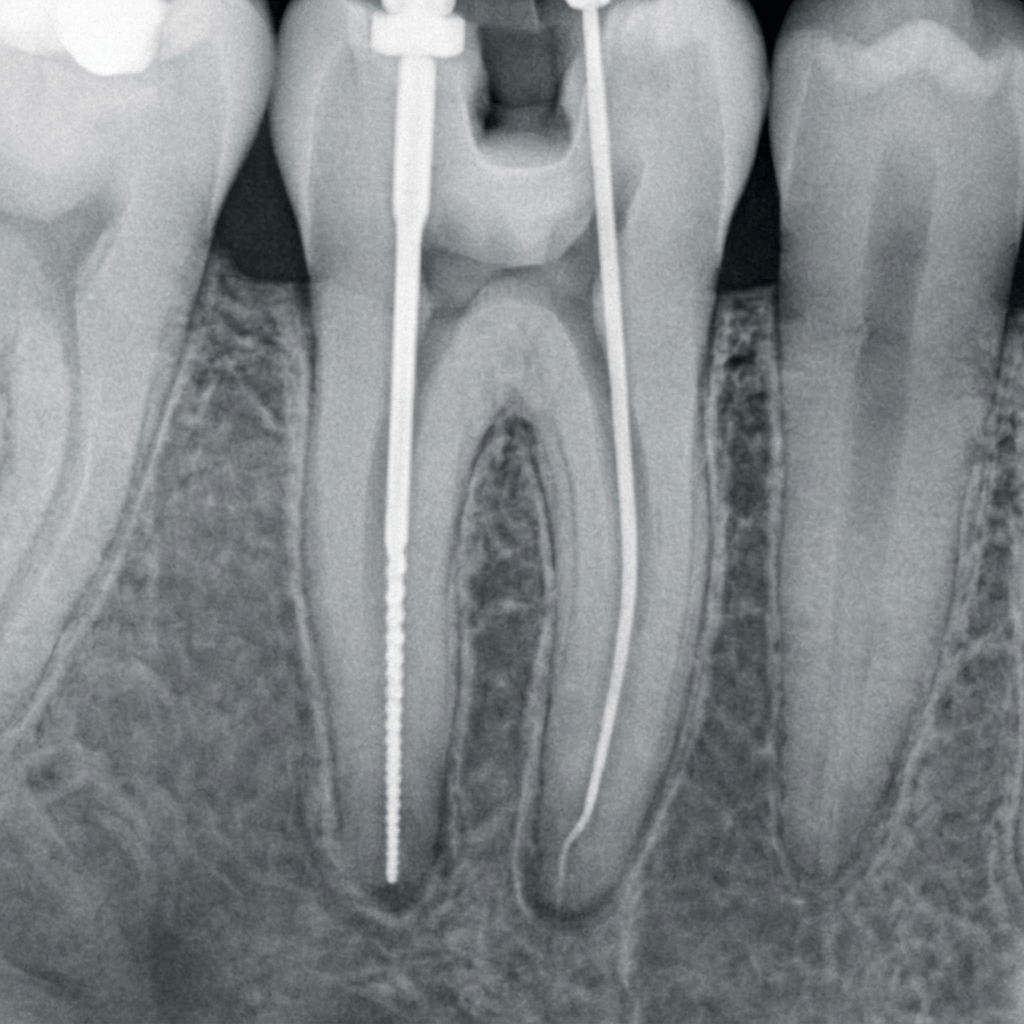
The size of the apical preparation is an important component of root canal treatment for a multitude of reasons. It impacts the effectiveness of both instrumentation and irrigation within the canal. The goal of instrumentation is not simply to create a larger apical preparation, but adequate enlargement is needed to allow instruments and irrigating solutionsContinue reading “How Large Should We Prepare? Does Apical Preparation Size Affect Endodontic Treatment Outcomes?”
Tag Archives: Sodium hypochlorite
Working Length: Electronic Apex Locators or Radiographs?
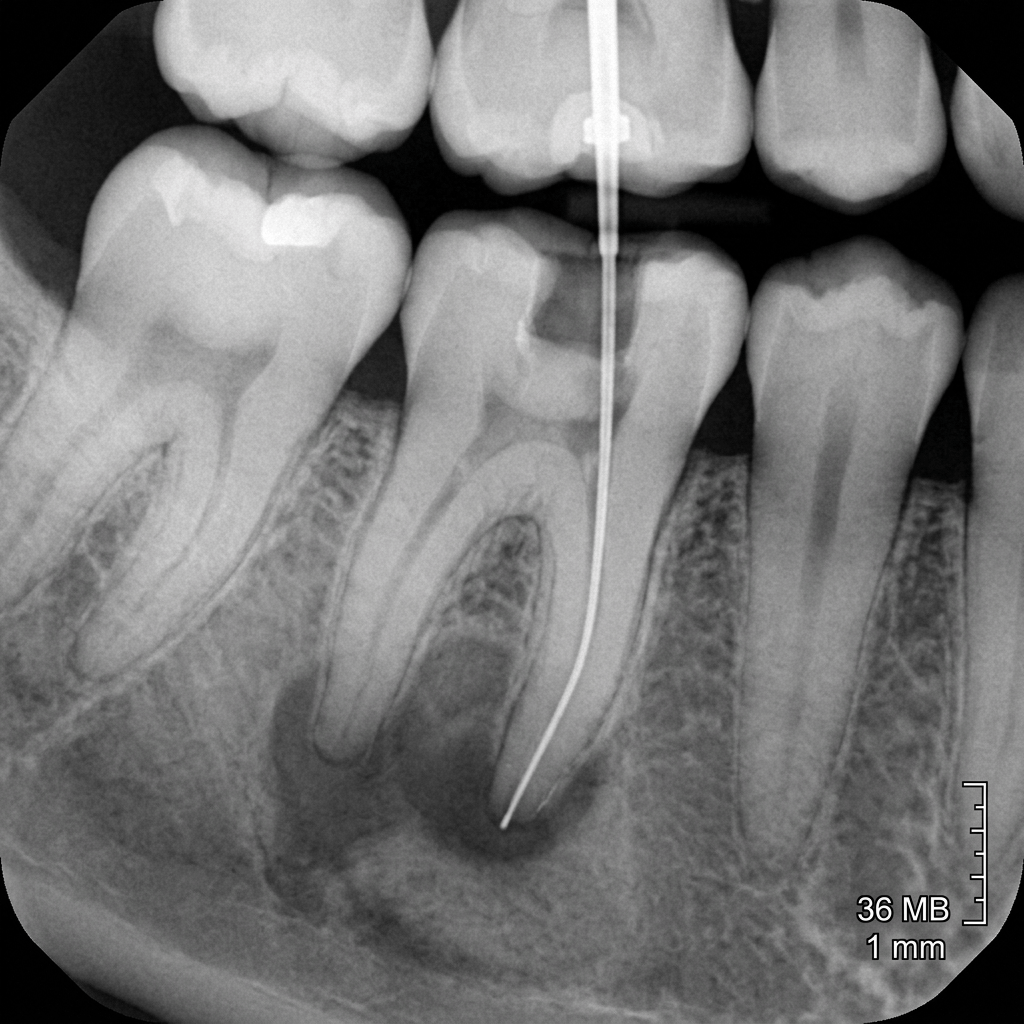
Working length is one of the most important measurements in root canal treatment because it determines how far instrumentation and obturation extend within the root canal system. Accurate working-length determination allows the clinician to adequately clean and disinfect the canal while minimizing unnecessary instrumentation into the periapical tissues. If the working length is too short,Continue reading “Working Length: Electronic Apex Locators or Radiographs?”
Irrigation: Does NaOCl Concentration Really Matter?
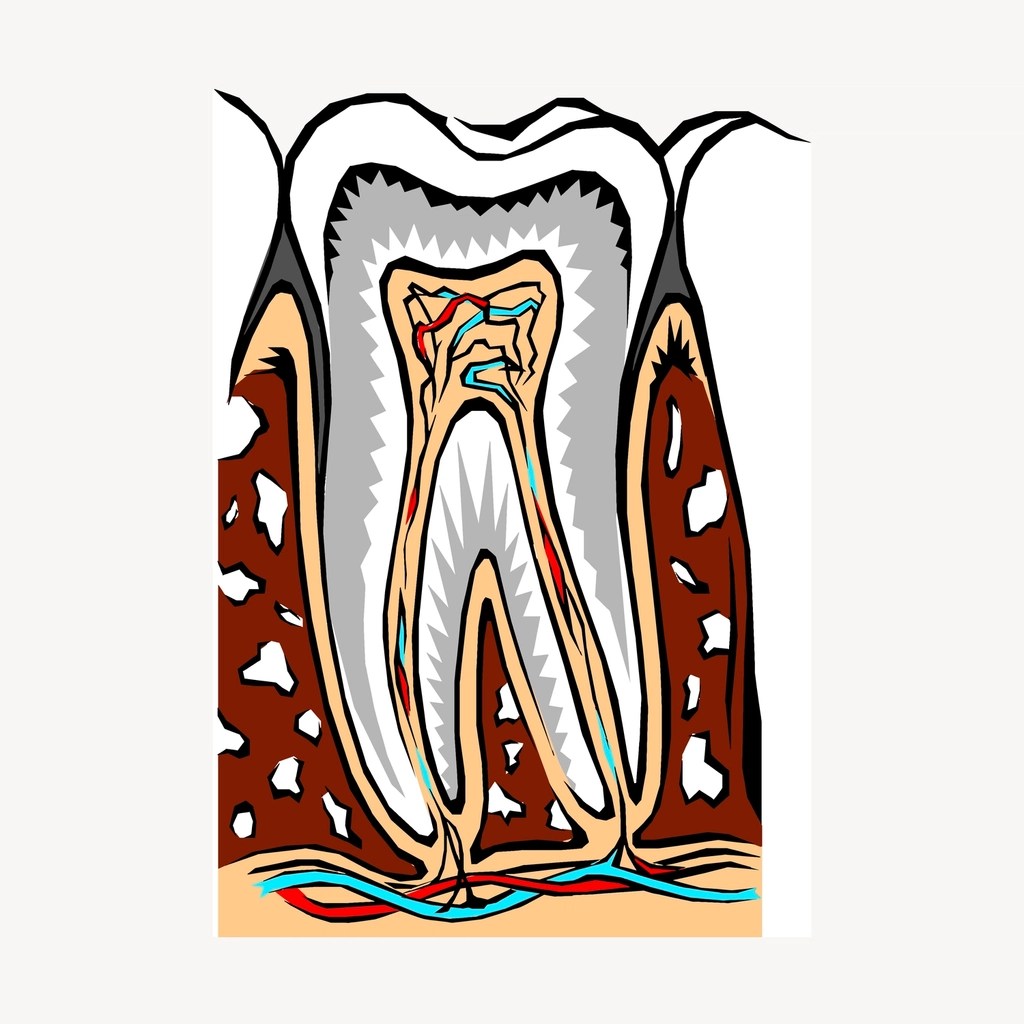
Sodium hypochlorite remains the standard irrigant in endodontics because it provides both broad-spectrum antimicrobial activity and organic tissue dissolution. Successful root canal treatment depends on eliminating microorganisms and removing pulpal remnants, both of which are enhanced by the use of sodium hypochlorite. Sodium hypochlorite has been used as an endodontic irrigant for decades. A 1992Continue reading “Irrigation: Does NaOCl Concentration Really Matter?”

